Smoke Alarms in SA: What Homeowners Need to Know
Hardwired vs battery, interconnected vs standalone — here's what actually matters when it's time to check or replace your smoke alarms.
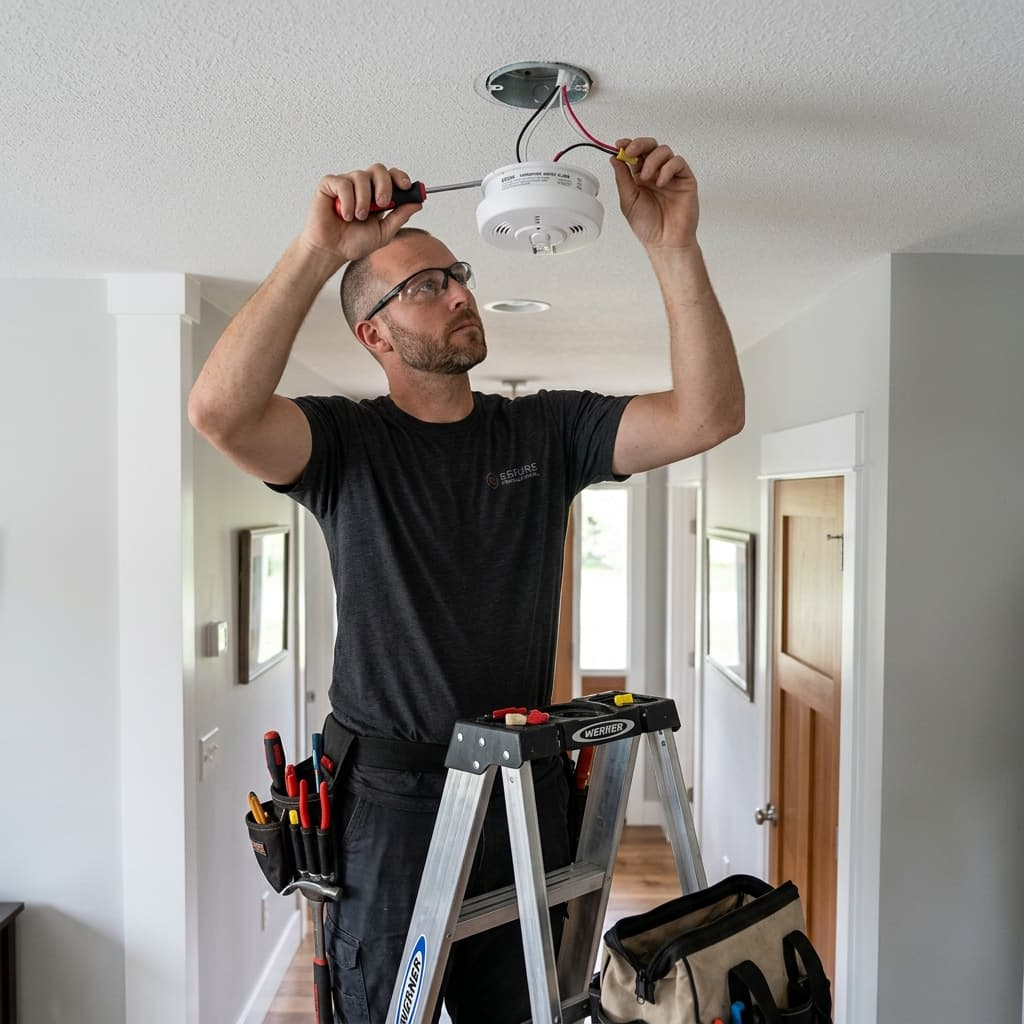
Smoke alarm rules and best practice have moved on a lot from the single battery-powered unit in the hallway — here's what's worth knowing before your next check or replacement.
Hardwired vs Battery
Hardwired alarms connect to your home's mains power with a battery backup, so they don't rely on you remembering to change batteries — and they can't be quietly removed or left flat. Battery-only units are cheaper and easier to retrofit but need regular manual checks to actually stay reliable.
Interconnected Alarms
When one alarm in an interconnected system detects smoke, every alarm in the house sounds — not just the one nearest the fire. This matters most in larger homes or multi-storey properties, where a fire starting far from where you're sleeping might otherwise go unnoticed until it's much further along.
10-Year Lithium Standalone Units
A newer alternative to interconnected hardwired systems — a sealed 10-year lithium battery unit that doesn't need battery changes for its whole working life and doesn't need mains wiring. A reasonable option for rentals or homes where running interconnect cable isn't practical.
Placement Matters
Alarms belong outside each sleeping area at minimum, and on every level of a multi-storey home — a single alarm in a hallway a long way from bedrooms often won't wake occupants in time.
When to Replace
Smoke alarms have a working life (commonly around 10 years) printed on the unit itself — if you can't find a date or it's passed, replacement is overdue regardless of whether the alarm still seems to "work" when tested.
Getting It Right
A proper interconnected hardwired install needs mains wiring and correct alarm spacing/placement — worth having a licensed installer handle it rather than retrofitting battery units room by room.